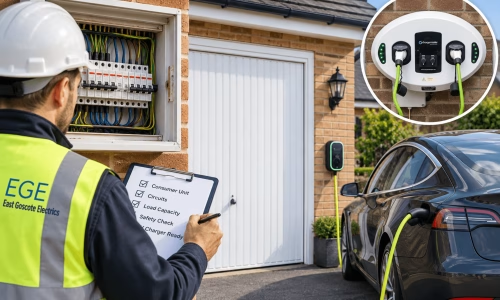


Installing an EV charger at home is more involved than simply mounting a charging unit on an outside wall and connecting it to the nearest electrical supply. An electric vehicle charger can place a significant additional demand on a property’s electrical system, so the existing installation needs to be checked first.
The good news is that not every Leicester home will need an electrical upgrade before an EV charger is installed. Many properties can accommodate a standard 7kW charger without major changes. Others may need improvements to the consumer unit, earthing arrangements or electrical supply before charging can begin safely.
So, how can you tell which category your home falls into?
What Does an Installer Check Before Fitting an EV Charger?
Before an EV charger installation in Leicester, an installer needs to establish whether the existing electrical installation is suitable for the additional load.
This normally involves looking at the incoming electricity supply, consumer unit, earthing and bonding arrangements, existing electrical demand and the proposed location of the charger.
The condition of the installation matters too. A relatively modern electrical system that has been properly maintained may require very little additional work. An older property with outdated equipment or existing defects could need remedial work first.
EV charging installations must comply with the current electrical safety requirements, including BS 7671 Wiring Regulations and the relevant requirements for electric vehicle charging installations. Government specifications also refer to the IET Code of Practice for Electric Vehicle Charging Equipment Installation.
Does Your Consumer Unit Need to Be Replaced?
Not automatically.
The consumer unit should be assessed to determine whether it can safely support a dedicated EV charging circuit and the required protective devices.
An older fuse box does not necessarily mean that the whole electrical installation must immediately be rewired. However, if the existing equipment cannot provide the protection required for the new charging circuit, upgrading or altering the consumer unit may be necessary.
This is one reason online “standard installation” prices should be treated as a starting point rather than a guaranteed final cost.
Anyone comparing EV charger installers in Leicester should ask whether an initial assessment is included and whether potential consumer unit work has been identified separately in the quotation.
Is Your Electricity Supply Powerful Enough?
A typical UK home charger operates at around 7kW on a single-phase supply. Because an EV can charge continuously for several hours, the charger represents a substantial additional electrical load.
The installer therefore considers what else is already using electricity in the home.
For example, a property may have an electric shower, induction hob, immersion heater, heat pump or other high-demand equipment. If several appliances operate at the same time as the EV charger, the total demand needs to remain within safe limits.
This does not always mean upgrading the property’s incoming supply. Some modern chargers can use load management, which monitors household electricity demand and automatically reduces the charging rate when necessary.
If you are still deciding which charging unit is appropriate, How To Choose The Right EV Charger For Your Home explains some of the charging speeds and features worth considering.
What About Earthing and Electrical Protection?
Earthing is an important part of an EV charging installation because the vehicle is usually connected outdoors while charging.
The electrical regulations contain specific requirements for EV charging equipment, including protection against electric shock and faults associated with certain earthing arrangements. The IET’s guidance also addresses requirements for residual current protection and protective measures associated with EV charging.
Many modern chargepoints incorporate some of the required protective technology within the unit itself. However, the installer still needs to confirm that the complete installation, rather than just the charger, complies with the applicable requirements.
This is why installing an EV home charger in Leicester should be treated as specialist electrical work rather than a simple plug-and-play home improvement.
Could Older Wiring Prevent an EV Charger Being Installed?
Older wiring does not automatically prevent installation, but its condition must be taken into account.
If testing identifies deterioration, inadequate earthing, damaged equipment or another safety issue relevant to the proposed circuit, remedial work may be recommended or required before the charger can be safely energised.
An EV charger does not necessarily require a complete home rewire simply because a property is older.
The appropriate solution depends on the actual condition of the electrical installation, which is why an inspection is much more useful than judging the system by age alone.
Does the Electricity Network Operator Need to Know?
EV charger installations can also involve the local Distribution Network Operator, or DNO.
Installers must follow the relevant notification or application process depending on the proposed equipment and supply conditions. Government grant requirements, for example, require qualifying installations to comply with the applicable electrical standards and DNO requirements.
For Leicester and much of the surrounding East Midlands, electricity distribution is handled through the regional distribution network rather than by your electricity supplier.
Your installer should determine what notification or approval is required as part of assessing the installation.
Can Solar Panels Affect the Installation?
They can influence how the system is designed, particularly where homeowners want to use surplus solar electricity for vehicle charging.
Some EV chargers can work with solar generation and energy-management equipment, allowing charging to respond to available solar output.
If you already have solar PV or are considering it, tell your installer during the initial assessment. It may affect charger choice, monitoring equipment and how the wider home-energy system is configured.
For more background, see Everything You Should Know About Solar Panels.
What Should You Ask Before Installation Day?
Rather than asking only whether an upgrade is required, ask the installer what they have actually checked.
Useful questions include:
- Is my existing consumer unit suitable?
- Can my current electrical supply support the charger?
- Is any additional protection required?
- Are my earthing and bonding arrangements suitable?
- Will load management be needed?
- Does the DNO need to be notified or contacted before installation?
- Will I receive the appropriate electrical certification?
These questions help separate necessary electrical work from optional improvements.
Once your charger is installed, how you drive and charge can also affect everyday EV efficiency. How To Get The Best Range Out Of Your Electric Vehicle provides practical guidance on making better use of the battery.
Do You Need to Upgrade Your Electrics?
For many Leicester households, the answer is no major upgrade may be necessary. If the existing supply, consumer unit and protective arrangements are suitable, installing a home charger can be relatively straightforward.
However, older equipment, insufficient capacity, unsuitable protection or existing electrical defects can mean additional work is needed.
The safest approach is to have the property assessed before choosing a charger or agreeing to a fixed installation package.
Planning an EV Charger Installation in Leicester?
East Goscote Electrics Limited can assess your existing electrical system and advise whether any upgrades are required before fitting your home EV charger.
Contact East Goscote Electrics Limited to discuss your property, vehicle and charging requirements and arrange professional advice on EV charger installation.
Posted in Latest News