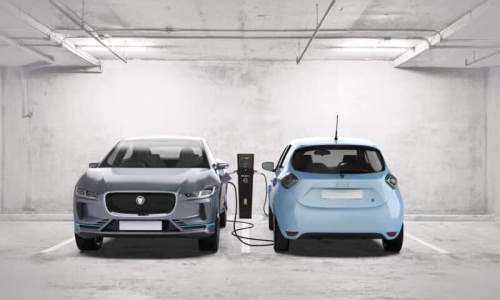


Smart EV charging gives you more control over when and how your electric vehicle charges at home.
Instead of starting at full power as soon as the car is plugged in, a smart charger can communicate with software, apps or energy-management systems to schedule charging for a more suitable time.
For homeowners considering EV charger installation in Leicester, understanding smart charging is increasingly important because new private domestic chargepoints sold in Great Britain are required to meet specific smart charging regulations.
What Makes an EV Charger “Smart”?
A smart EV charger can send and receive information rather than simply supplying electricity whenever a vehicle is connected.
Depending on the charger and service, this can allow you to:
- Choose when charging starts and stops
- Monitor how much electricity the vehicle uses
- View charging information through an app
- Schedule charging around your electricity tariff
- Respond to changes in electricity demand
- Integrate charging with other home-energy technology
The Electric Vehicles (Smart Charge Points) Regulations 2021 apply to private domestic and workplace chargers sold in Great Britain.
The regulations require smart functionality, including the ability for chargers to respond to signals that change the timing or rate of electricity use.
What Happens When You Plug the Car In?
Imagine arriving home at 6pm and plugging your EV into the charger.
With a traditional charger, charging could begin immediately.
With smart charging, you might tell the charger that you want the car ready by 7am. The system can then delay charging until a scheduled period rather than necessarily drawing electricity straight away.
This can be particularly useful if your electricity tariff offers lower prices during certain overnight periods.
Importantly, the charger does not decide everything for you. The regulations require users to be able to accept, remove or change the default charging settings.
If you are still comparing charger features, How To Choose The Right EV Charger For Your Home explains some of the other factors worth considering.
Why Do Smart Chargers Use Off-Peak Settings?
Electricity demand changes throughout the day.
If large numbers of EV owners all arrive home and begin charging at the same time, this can increase demand on the electricity network during already busy periods.
Smart charging helps spread some of that demand across different times.
UK regulations therefore require qualifying chargepoints to include pre-set off-peak charging hours as well as a randomised delay function. The owner must still be able to change these settings.
The random delay is designed to reduce the likelihood of thousands of chargers starting or stopping at exactly the same moment.
Can Smart Charging Reduce Your Electricity Costs?
It can, but savings depend on your electricity tariff and charging habits.
If you are on a tariff with lower electricity prices during certain periods, scheduling your EV to charge during those hours may reduce charging costs compared with charging during more expensive periods.
A smart charger can make this easier because you do not have to physically connect the car at the exact time the cheaper rate begins.
However, having a smart charger does not automatically guarantee cheaper charging.
You still need to understand your tariff, your vehicle’s energy use and any restrictions that apply to off-peak rates.
Does Smart Charging Mean Someone Else Controls Your Car?
Not in the sense that you lose everyday control over charging.
Smart chargers are designed to respond to information and signals, but UK regulations include requirements around user access and control.
They must also continue to provide charging capability if the charger loses its communications connection.
Security requirements have applied to regulated smart chargepoints since December 2022, including protections aligned with recognised cyber-security standards.
This is worth considering when choosing an EV home charger in Leicester, particularly if you plan to control the charger regularly through an app.
What is Load Balancing?
Load balancing is related to smart charging but serves a slightly different purpose.
An EV charger can place a significant additional load on a home’s electrical supply. Dynamic load management can monitor how much electricity the property is using and adjust the charging rate if necessary.
For example, if several high-demand appliances are operating at once, the charger may temporarily reduce the amount of electricity supplied to the vehicle.
Once household demand falls, charging can increase again.
This can sometimes help manage available electrical capacity, although the property still needs to be properly assessed before installation.
Our guide Do You Need to Upgrade Your Electrics Before Installing an EV Charger in Leicester? explains what an installer may need to check.
Can Smart EV Charging Work With Solar Panels?
Some chargers can also integrate with solar PV systems.
A compatible setup may allow the charger to respond to surplus solar electricity generated by your home rather than relying entirely on electricity imported from the grid.
The amount of solar energy available will vary depending on system size, weather, season and household electricity use.
Solar-compatible charging can therefore be useful, but it does not mean your vehicle will always run entirely on solar power.
If solar is part of your future plans, mention this when comparing EV charger installers in Leicester so the charger can be selected with future integration in mind.
Does a Smart Charger Still Need Professional Installation?
Yes.
The smart features do not remove the electrical requirements involved in installing an EV chargepoint.
Government specifications for eligible installations reference BS 7671 Wiring Regulations, BS EN 61851 and the IET Code of Practice for Electric Vehicle Charging Equipment Installation.
The existing consumer unit, supply capacity, earthing, protective equipment and charger location may all need to be assessed.
For homes with private parking, Leicestershire County Council also advises using an appropriate home chargepoint installer and notes that chargers should not require cables to be trailed across the public highway.
Is Smart Charging Worth Using?
For many EV owners, its main benefit is flexibility.
You can plug the vehicle in when convenient while allowing the charger to follow your preferred schedule. It may also help you take advantage of suitable tariffs, monitor energy use and prepare for integration with solar or other home-energy systems.
The important thing is to choose a charger that suits your car, property, electricity supply and daily driving routine rather than selecting one solely because it has the longest list of app features.
Planning a Smart EV Charger at Home?
East Goscote Electrics Limited can assess your property, discuss suitable smart charging options and advise on the electrical work required for a safe home installation.
Contact East Goscote Electrics Limited to discuss your EV, home electrical setup and charging requirements.
Posted in Latest News